How FR Clothing Works: The Science Behind Flame Resistance
Understanding Safety Equipment for Your Body
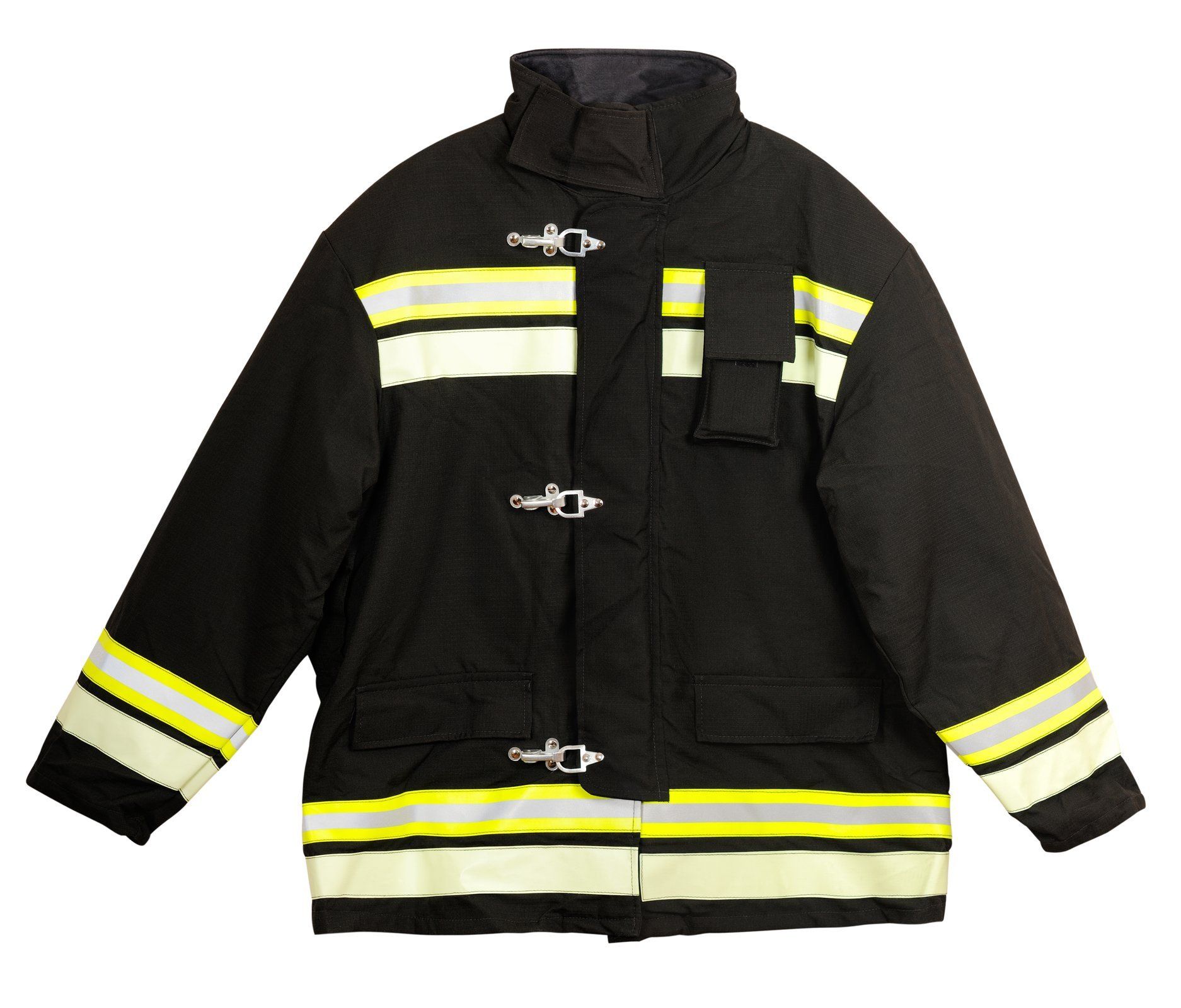
FR clothing (flame-resistant clothing) is designed to help protect workers from flash fire, arc flash, and other thermal hazards by reducing burn injury. It does this in two key ways: it resists ignition and, if exposed to flame, it self-extinguishes instead of continuing to burn. Just as importantly, quality FR clothing is engineered to avoid melting and dripping onto skin, which can worsen injuries in heat events.
If you work in high-risk environments, such as the oil and gas industry, understanding the science behind FR clothing helps you choose the right gear and wear it correctly. Learn more about how FR clothing works and how it keeps you safe in the workplace.
Explaining What FR Means
FR clothing is not “fireproof.” It won’t make you invincible to heat or flame. Instead, FR garments are built to:
- Ignite less easily
- Limit flame spread
- Self-extinguish when the ignition source is removed
- Reduce the severity of burns by minimizing continued burning and preventing melt-related injuries
In short: FR clothing is about reducing injury, not eliminating hazard.
How FR Fabrics Stop Flames
Flames need three things to keep burning: heat, fuel, and oxygen. FR clothing works by disrupting that process—primarily by limiting how the fabric becomes “fuel.” Many FR fabrics are engineered so that once the flame source is removed, the fabric stops burning on its own. This is critical in real-world incidents like flash fires, where exposure may last only seconds. Some FR materials form a stable char layer when exposed to high heat. This char insulates the body from heat transfer, slows further fabric breakdown, and reduces the energy reaching the skin. Think of char as a temporary “barrier” that helps buy you time to escape the hazard.
A major danger with many non-FR synthetics is that they can melt, shrink, and stick to skin under heat. FR workwear is selected and constructed to avoid melt/drip behavior, helping prevent severe contact burns. Work confidently with the non-melting, non-dripping performance of FR clothing.
Inherent FR vs. Treated FR: Two Paths to Flame Resistance
FR clothing generally falls into two categories: inherent FR fabrics and treated FR fabrics. Inherent FR fabrics are made from fibers that are naturally flame-resistant at the molecular level. Common examples include Nomex®, Kevlar®, and modacrylic blends. Because the fiber itself is FR, the protection is built in and doesn’t “wash out” under normal use.
Treated FR fabrics start as a fabric (often cotton or cotton blends) and are then treated with flame-resistant chemistry so the garment can self-extinguish and meet FR performance requirements. Treated FR can be an excellent option, but it’s especially important to follow care instructions so the garment maintains its protective performance over time.
Why FR Clothing Helps Reduce Burns
When a flash fire or arc event happens, the biggest goal is to limit heat transfer to the skin and avoid continued burning. FR clothing supports that goal by:
- Reducing the chance the garment becomes sustained fuel
- Creating insulation (char/barrier effects)
- Preventing melt-on-skin injuries
- Helping limit burn depth and total body surface area affected
That’s why FR clothing is a cornerstone of PPE programs in industries with thermal hazards.
Make Sure to Wear Your FR Clothing Correctly
FR performance depends on the whole system (not just the shirt). Even the best FR clothing can underperform if worn incorrectly. Layering matters. Wearing appropriate layers can improve protection, but layers must be compatible with FR requirements. Non-FR base layers can melt and defeat the purpose of FR outerwear. Fit and coverage also matter. Gaps, rolled sleeves, open fronts, or poorly fitting garments can increase exposure. FR protection works best when garments provide consistent coverage. Rips, heavy wear, and contamination can also reduce protection. Replace damaged FR clothing and keep it clean.
Choosing the Right FR Clothing for Your Job
The “right” FR clothing depends on your hazard profile (flash fire vs. arc flash), job tasks, and required standards on your site. When selecting FR gear, look for:
- The correct FR rating/labeling for your application
- Durable construction suited to your work environment
- Comfort and mobility (because PPE only protects when it’s worn properly)
Loaded Dice Safety carries quality, durable FR clothing and jackets to help crews stay protected and comfortable on the job. If you’re looking for FR clothing for oilfield and industrial work in West Texas or Southeast New Mexico, Loaded Dice Safety can help you select the right options for your hazards and job requirements. Contact Loaded Dice Safety to explore FR clothing and jackets.